The Shingles National Immunisation Programme
Welcome to the illuminate Shingles National Immunisation Programme page.
Here you will find the most recent guidance on the Shingles National Immunisation Programme, along with practical support to ensure you are ready to implement it in your clinical practice.
Adverse events reporting and prescribing information can be found at the bottom of the page.
Healthcare professionals have been consulted by GSK and received honorarium.
The Shingles National Immunisation Programme changed on 1st September 2025 4
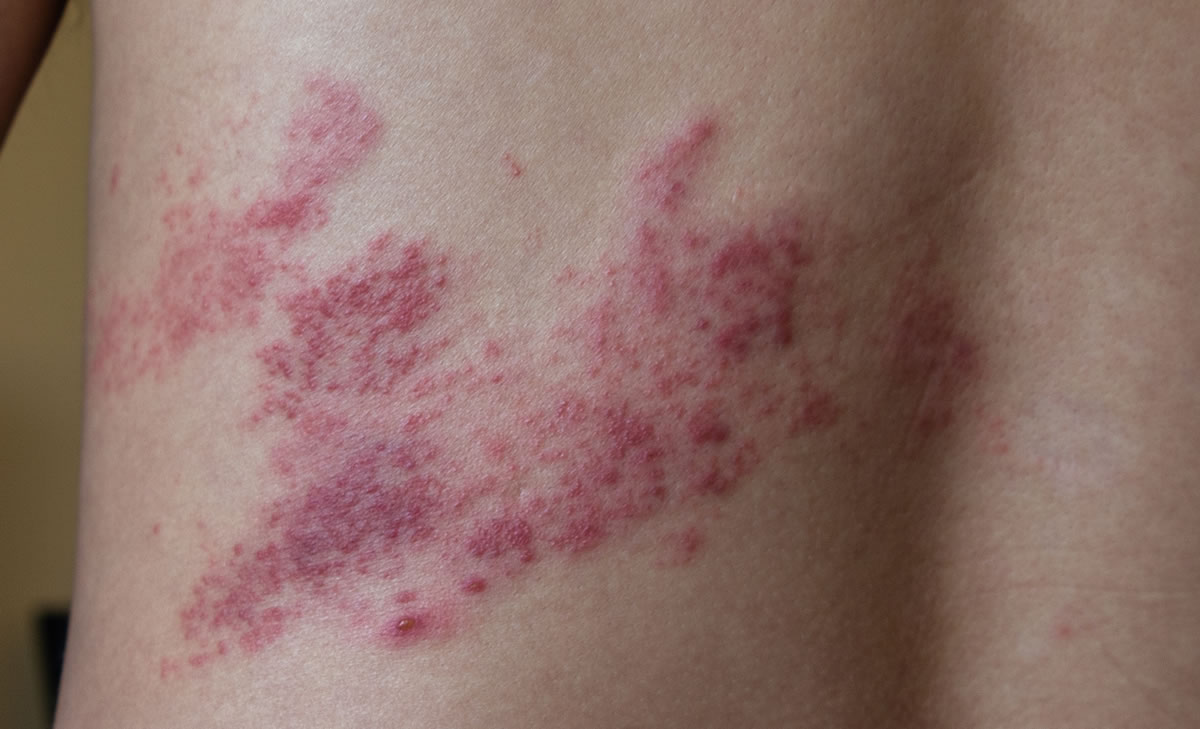
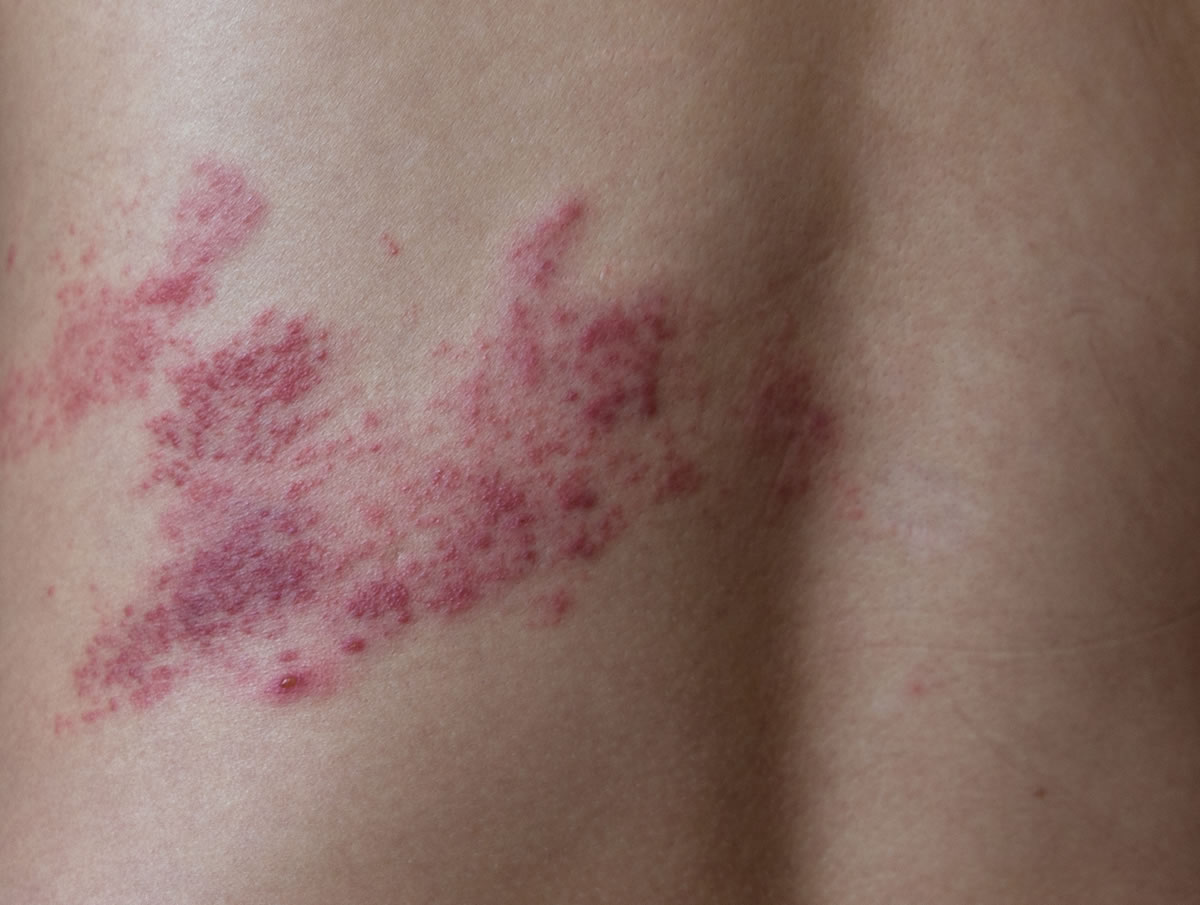
Shingles is more than a rash - it's a painful disease that can have serious and long-lasting complications.36,37 A quarter of people in the UK are estimated to develop shingles in their lifetime4, with up to 742 new cases occurring every day.38,39
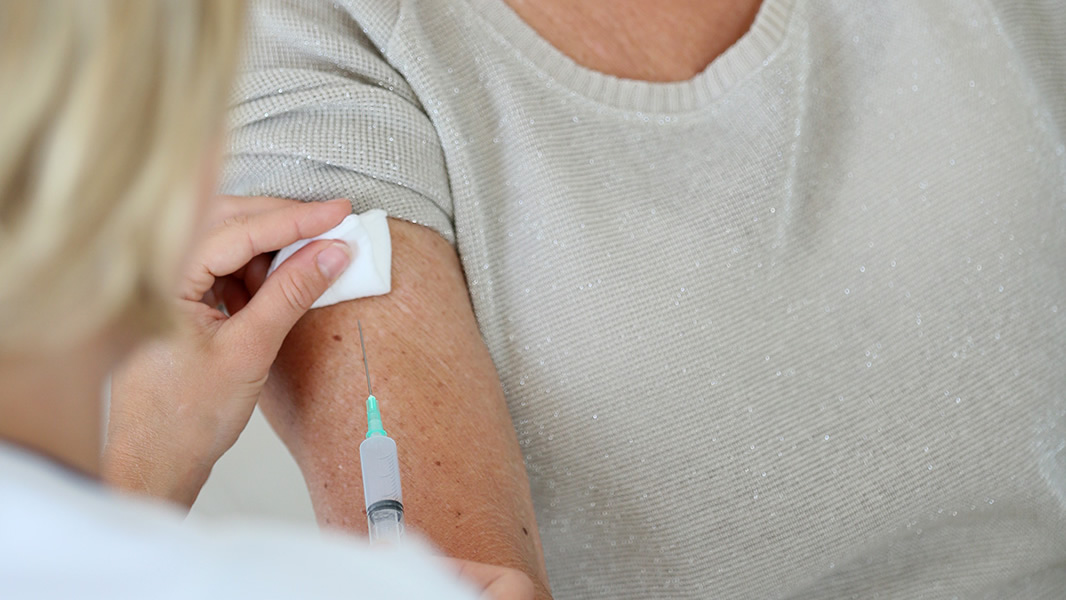
Eligible patients not offered a shingles vaccination are left at risk of debilitating pain that could be prevented.36,37,40-42
The Shingles National Immunisation Programme
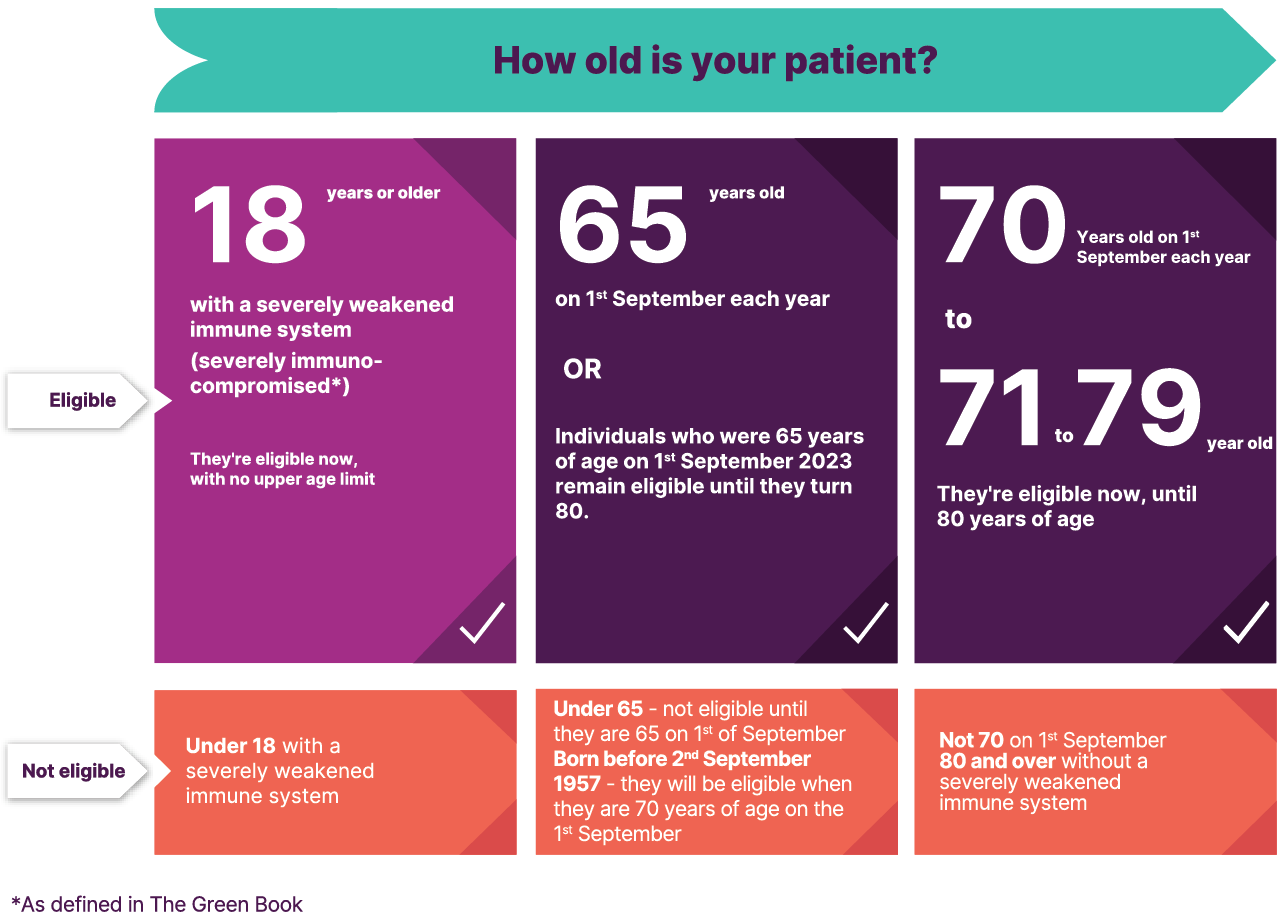
The eligible cohorts for the Shingles National Immunisation Programme in England & Wales are:
- Individuals aged ≥ 18 years who are severely immunocompromised (as defined in the Green Book)
- There is no upper age limit for this cohort
- Individuals who turned 65 on or after 1st September 2023
- Those born before 1st September 1958 will become eligible when they turn 70
- Remain eligible until their 80th birthday
- Individuals aged 70-79 years
- Remain eligible until their 80th birthday
Note: In Wales, if an individual is already 65 or older but not yet 80, General Practices can provide the vaccine opportunistically if possible19
 HCPs V2.png)
The eligible cohorts for the Shingles National Immunisation Programme in Northern Ireland & Scotland are:
- Individuals aged ≥ 18 years who are severely immunocompromised (as defined in the Green Book)
- There is no upper age limit for this cohort
- Individuals aged 65 or 70 years on 1st September 2025
- Remain eligible until their 80th birthday
- This includes individuals that have already become eligible for the shingles vaccine due to their age (i.e. already 65 or 70 on the 1st September 2023 or 2024) and have not yet been vaccinated
- Those born before 2nd September 1957, will become eligible when they are aged 70 (on 1st September)
Six Key steps for NIP implementation – England, Wales and Northen Ireland
Implementation can be broken down into the following six key steps. Read on for more information, as well as practical guidance.
- Identify eligible people
- Inviting and informing your patients
- Ordering vaccines stock
- Setting up dedicated clinics
- Ensuring two-dose vaccine compliance
- Shingles National Immunisation Programme Payments
Please note, implementation for the Shingles National Immunisation Programme differs for Scotland. For information and tips specific to Scotland, please click here.
How is your practice seizing this opportunity? Six tips for NIP implementation
1. Identifying eligible people
With vaccinations, we have the tools to help prevent a number of serious infectious diseases,3 and the first stage of enabling this is to identify our eligible patients.
See below to learn more.
Make sure you regularly check for all newly-eligible patients, such as those who have a relevant birthday coming up, or those with changes to their medication that may mean they become severely immunocompromised.4 Remember, the shingles vaccine can be offered at any time of the year, so there is no need to restrict it to certain seasons like some other seasonal vaccines.4
Also, keep a look out for any eligible patients who have previously been missed or declined the vaccination, and encourage them to come in and get vaccinated.
Keep reading for some tips to help increase patient uptake of vaccines.


2. Inviting and informing your patients
One of the things that I advise clinicians, is to provide an opportunity for patients, or their guardians, to ask questions if they are apprehensive about booking an appointment for a vaccine. I try and encourage surgeries to have a call back system, an enquiries/comments box, or some way for patients to gain the clarity and reassurance they need to book to have the recommended immunisation.

Joanna Lowry
Immunisation Specialist Nurse and Educator
Hampshire
Once you’ve identified your eligible patients, invite them for an appointment, aiming to include information on shingles and the vaccine to help inform their decision.
- Invites to inform eligible patients should be via their preferred option, this could include:
- SMS
- Letter
- Phone
- Consider what information on shingles and the vaccine will help them make an informed decision and aim to provide it in the invite (e.g. via link in SMS or from the practice reception team)
Don’t forget that proactively recalling them if they failed to respond or declined the initial invite can also help with vaccine uptake.
See below for additional guidance.
It’s important to remember that many people may not be aware or fully understand the risks, seriousness, and potential long-lasting complications of shingles – some may not even be aware there is a vaccination available. Here are some tips to tackle this.
Implement an effective call/recall service
- When implementing the call phase of your service and reaching out to your patients, try to contact them through their preferred communication method – whether that be text, call, or email
- Remember, all patients should be proactively offered routine vaccinations as they become eligible – something for everyone to be aware of with the shingles eligibility criteria changing
- Ensure eligible patients who fail to receive the vaccine following the initial call are recalled. Inviting them to have their vaccination when running a dedicated shingles clinic at a time and location convenient for them might help
- For patients who don’t respond, recall at least two times to help increase uptake. Still unresponsive? Encourage them to have a face-to-face or phone conversation with you to discuss any concerns they may have and try to encourage them to book an appointment
- As SHINGRIX (herpes zoster vaccine, recombinant, adjuvanted) is a 2-dose vaccine, an effective recall system is critical to ensure eligible patients are completing their vaccination course. Please note, the national guidance for administration of the second dose as part of the National Immunisation Programme differs from the SPC.
Check back in with us soon, the illuminate team will be developing best practice case studies on effective call/recall services.
Create searches or alerts for shingles on your clinic's system
- Your patients’ Electronic Health Records (EHRs) can be used to flag eligible or soon-to-be eligible patients by using their information to set up alerts relevant to their profiles
- Generating a pop-up for patients who are suitable for the vaccination means they can be asked about the vaccine proactively when booking another appointment
- You can also use EHRs and search parameters to filter out patients with contraindications to the vaccination, those who are allergic to the vaccine’s components, or patients over the eligibility age range
Additional opportunities to maximise vaccine uptake17
Patient appointments can be a great opportunity to discuss vaccinations and make new appointments – but don’t rely on opportunistic vaccinations. They are a great way to increase uptake, but they should support, not replace, an effective call/recall service. SHINGRIX can be given concomitantly (at different injection sites) with:
- Seasonal influenza vaccine (inactivated, unadjuvanted)
- 23-valent pneumococcal polysaccharide vaccine (PPV23)
- 13-valent pneumococcal conjugate vaccine (PCV13)
- Reduced antigen diphtheria-tetanus-acellular pertussis vaccine (dTpa)
- Coronavirus disease 2019 (COVID-19) messenger ribonucleic acid (mRNA) vaccine
- Respiratory syncytial virus (RSV) vaccine (recombinant, adjuvanted).
Fever and shivering were more frequent when PPV23 was co-adminstered with SHINGRIX, compared with SHINGRIX alone. In adults ≥50 years, systemic adverse reactions that are very commonly reported (such as myalgia, fatigue, and headache) and arthralgia (which is uncommonly reported) following administration of SHINGRIX along were reported with increased frequency when SHINGRIX was co-administered with a COVID-19 mRNA vaccine.
As per the SHINGRIX SPC, concomitant use with vaccines other than the ones listed above is not recomended due to lack of data.
- It is important to recognise that not all eligible people can visit the practice, so be sure to reach out to care homes, ask during home visits, or contact health services for the homeless, to help increase uptake of under-served populations who would otherwise not receive the vaccine
Increase vaccination awareness
Making patients aware of the vaccine can help improve vaccine requests or just increase familiarity with it, so it is less of an unknown when they are offered it. To help achieve this you can:
- Distribute leaflets, have posters on the walls, or show short videos on the waiting room TV
- Other resources you can order include vaccination cards, which can be found on the GSKpro website8
3. Ordering vaccine stock
Having the right number of vaccines in the practice can feel like a bit of a balancing act, but it is important to have access to vaccines when you need it; especially with the possibilities of opportunistic delivery.
See below for more information.
Plan your vaccinations
- When planning your vaccine stocks, take into account any vaccination appointments that have been booked, any upcoming dedicated vaccination clinics, and the likely number of opportunistic deliveries. The benefits of having a dedicated vaccination clinic allow you to know the exact number of vaccination appointments booked, meaning you can plan the amount of stock that is required
- To avoid waste, it’s important to appropriately stock and order at least every 1–2 weeks according to need9
- In England for the National Immunisation Programme, shingles vaccines are to be ordered via ImmForm,10 at no cost to the practice


4. Setting up dedicated clinics
There are many benefits to holding dedicated vaccination clinics, such as increased efficiency and convenience for patients, and streamlined processes for practices. The planning and delivery of dedicated clinics outside of the practice can also be shared across the primary care network (PCN) to help achieve vaccination coverage.
See below to read more.
Dedicated vaccination clinics provide several benefits.
Efficient and streamlined vaccination process
Dedicated clinics help eliminate many of the delays and bottlenecks associated with the opportunistic delivery of vaccines in practice, such as reducing the need to share time, appointments, and resources across multiple vaccinations or treatment decisions. Having a single focus with everything in one location offers the most streamlined and efficient process for the vaccination of numerous patients.
- The best place for clinics is often within the GP practice, as it is familiar for patients and all the resources are already available on site.
- Pre-planning is needed to ensure your clinic is appropriately manned. You may want to have one or more practice nurse on site, as they will be experienced in administering vaccines and can support other staff members - although it is essential that all staff administering vaccines have received at least the mandatory NHS training on immunisation11
Specific resources and specialised staff
Setting up a dedicated clinic can help with improved storage facilities and waiting areas for patients.
- Selecting staff who are knowledgeable about vaccines and allowing them to focus solely on administering the vaccine can help optimise quality of care and give patients confidence
- Pre-planning is needed to ensure your clinic is appropriately manned. You may want to have one or more practice nurse on site, as they will be experienced in administering vaccines and can support other staff members – although it is essential that all staff administering vaccines have received at least the mandatory NHS training on immunisation11
Complete immunisation records
Regardless of where the vaccination clinic is held and if a patient accepts or rejects the vaccine, it is essential to record the following information:6
- Informed consent
- Vaccine batch number and expiry
- Vaccine date of administration and route/site of each vaccine in circumstances where two or more have been administered close together
Record SNOMED codes
SNOMED codes should also be used to support collection of relevant vaccination data. From September 2023, data will be collected for all eligible patients.
The following codes for the SHINGRIX® vaccine can be used:18
Eligible Patients
First dose: 39756611000001109, 39655511000001105, 38737511000001105 or 38736811000001106
Second dose: 1326111000000107
5. Ensuring two-dose vaccine compliance
Ensure that your patients completes the full 2-dose vaccination course to maximise the protection offered by SHINGRIX®* Please refer to official local guidance for second dose administration. This may differ from the Shingrix SPC
See below to read more.
Administering the second dose
Here’s some tips to help ensure people come in for their second vaccination:12
- Communicate the importance of completing the two dose vaccination schedule
- Encourage planning: Let patients know when and where they will receive their second dose to increase follow-through
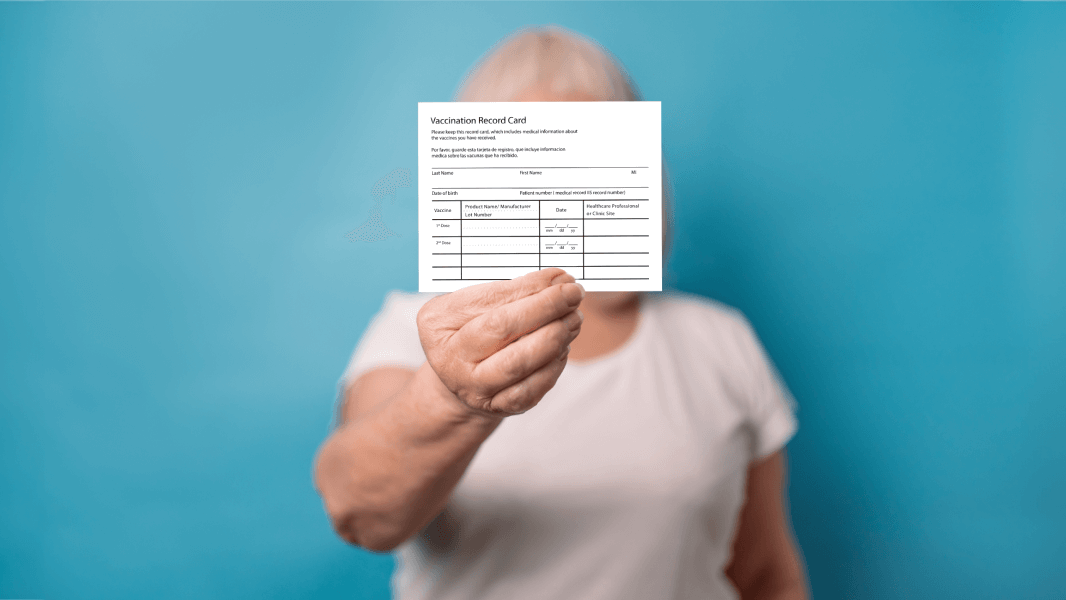
- Use prompts: Stamped vaccine cards serve as a valuable reminder and proof of vaccination
- Book quickly: If possible, book patients in for their second dose as they are having their first, via another scheduled dedicated shingles clinic
- Send reminders: Let people know that their second dose is due soon and to make an appointment. This can be delivered via SMS, email, letter, or phone call
- Give long-term perspectives: Frame their overall goal as having maximum protection by receiving both vaccinations

6. Shingles National Immunisation Programme payments
Since the Shingles National Immunisation Programme is classed as an essential service, your practice must actively call and recall patients for the vaccination and register to the calculating quality reporting service (CQRS). Payment is an item of service fee, which is paid per dose in eligible patients.13 See below to learn more about how payments work and the requirements.14
Quality outcomes framework (QOF) – England only
Vaccinating your eligible patients against shingles can deliver financial rewards for your practice7,9,12,15
Quality Outcomes Framework (QOF)
The shingles vaccination attracts quality and outcomes framework (QOF) points.24 Payment claims for the shingles programme are made monthly, and practices are only eligible for payment in the following circumstances, where all requirements are achieved:25
Your practice can claim payment for patients you have vaccinated between the ages of 70 and 79 years old when they turn 80 years old.24
Your practice can earn a maximum of 10 QOF points for vaccinating eligible patients against shingles. If at least 60% of your patients who reached 80 years old in the preceding 12 months have been vaccinated, your practice will earn the full 10 points.24
There is no QOF relevance for shingles vaccination in Northern Ireland, Scotland or Wales.28,31,33
Achieving these targets is an important step towards the goal of helping to protect the full eligible population from shingles. However, QOF parameters only reflect part of your eligible population. The expanded NIP includes individuals who turned 65 on or after 1st September 2023, a cohort not currently covered by the QOF parameters, yet one that contributes significantly to primary care consultations.4
Item of Service (IOS)
England:
Since the Shingles National Immunisation Programme is classed as an essential service, your practice must actively call and recall patients for the vaccination and register to the calculating quality reporting service (CQRS). Payment is an item of service fee, which is paid at £10.06 per dose in eligible patients.26,26,27
Wales:
Where a GP practice is commissioned by health boards, for all eligible cohorts, practices will receive a payment of £10.03 per dose administered, to each registered patient who meets the eligibility criteria. Accurate recording of vaccination and good management of all associated documentation, is essential. 29,29,30
Northern Ireland:
GPs will receive an item of service fee of £10 per dose, to cover all costs incurred to identify, call/ recall, vaccinate and to record the patient’s data directly onto the Vaccine Management System.32
Shingles National Immunisation Programme – Scotland35
Whilst the shingles vaccination is not delivered within General Practice, there is still the opportunity to help drive vaccine uptake.
Maximise your contact with eligible patients by delivering a clear recommendation for shingles vaccination, encouraging them to either:
- Attend their scheduled vaccination appointment
- Reschedule a missed appointment
- Alternatively, eligible individuals can contact their local NHS immunisation team to book a vaccination appointment
illuminate is here to help you drive uptake of the shingles vaccination
Our team is on hand to help. If you have specific questions about the Shingles National Immunisation Programme or the shingles vaccination, please get in touch with GSK: https://gskpro.com/en-gb/contact-us/contact-us-form.
Want to hear more from your peers? Explore our Vaccine Education page to hear from our Immunisation Leads for their advice and tips on how best to roll out successful immunisation programmes and educate your team.

Support from GSK
We’re on hand to answer any questions you may have on the Shingles National Immunisation Programme. Get in touch with us at any point.

Vaccine education
Explore resources and hear from an immunisation expert to learn more about vaccines.
* The most frequently reported adverse reactions are headache, gastrointestinal symptoms (including nausea, vomiting, diarrhoea and/or abdominal pain), myalgia, injection site reactions (such as pain, redness, swelling), fatigue, chills and fever. Please refer to the SHINGRIX (herpes zoster vaccine, recombinant adjuvanted) SmPC for a full list of adverse events.
References
- 1. UK Health Security Agency. Vaccination against shingles (herpes zoster) training deck for healthcare professionals. Available at: https://www.gov.uk/government/collections/shingles-vaccination-programme. Accessed May 2026.
- 3. NHS England. Why vaccination is safe and important. Available at: https://www.nhs.uk/vaccinations/why-vaccination-is-important-and-the-safest-way-to-protect-yourself/. Accessed May 2026
- 4. UKHSA Green Book: Shingles (herpes zoster): the green book chapter.
- 6. NICE guidelines NG218. Vaccine uptake in the general population. Available at: https://www.nice.org.uk/guidance/ng218/chapter/Recommendations. Accessed May 2026.
- 7. UK Health Security Agency. Campaign assets. Available at: https://www.healthpublications.gov.uk/ArticleSearch.html?sp=St-57&sp=Sreset. Accessed May 2026.
- 8. GSKpro resources. Available at: https://gskpro.com/en-gb/resources/
- 9. NHS England. Vaccine Storage and Handling - Cold Chain Policy. Published November 2024. Available at: https://www.england.nhs.uk/east-of-england/wp-content/uploads/sites/47/2025/03/East-Cold-Chain-Policy-V8_Nov-2024.pdf.
- 10. Immform. Available at: https://portal.immform.ukhsa.gov.uk/Identity/Authentication/SignIn.
- 11. Immunisations UK. Available at: https://immunisationsuk.co.uk/training/ Accessed May 2026.
- 12. Local Government Association. Available at: https://www.local.gov.uk/our-support/coronavirus-information-councils/covid-19-service-information/covid-19-vaccinations/behavioural-insights/resources/second-vaccine-jab-compliance. Accessed May 2026.
- 13. NHS England. Shingles toolkit. Available at: https://www.england.nhs.uk/london/wp-content/uploads/sites/8/2023/10/Shingles-GP-toolkit-3.pdf . Accessed May 2026.
- 14. NHS CSU collaborative. https://welcome.cqrs.nhs.uk/about-cqrs/ .
- 15. NHS England. Quality and Outcomes Framework Guidance for 2025/26. Published April 2024. Available at: https://www.england.nhs.uk/wp-content/uploads/2025/03/quality-outcomes-framework-guidance-for-2025-26.pdf . Accessed May 2026.
- 18. UK Health Security Agency. Vaccine update: issue 340, July 2023, shingles special addition. Available at: https://www.gov.uk/government/publications/vaccine-update-issue-340-july-2023-shingles-special-edition/vaccine-update-issue- 340-july-2023-shingles-special-edition.
- 19. NHS Wales shingles vaccination programme – Public Health Wales. Accessed May 2026
- 20. Shingles Immunisation Eligible groups – Public Health Scotland Accessed May 2026
- 21. Shingles Vaccination Programme 2025-26 SGHD CMO (2025) Chief Medical Officer for Scotland. – Accessed May 2026
- 22. Administration of shingles (herpes zoster) vaccine (recombinant, adjuvanted) Shingrix® - PGD Scot - Accessed May 2026
- 23. Shingles Vaccination Programme 2025/2026 – Department of Health Northern Ireland
- 24. NHS England. Quality and Outcomes Framework Guidance for 2025/26. Published April 2024. Available at:https://www.england.nhs.uk/wp-content/uploads/2025/03/quality-outcomes-framework-guidance-for-2025-26.pdf. Accessed May 2026.
- 25. Shingles (catch up) vaccination programme 19/20. Available at: https://www.england.nhs.uk/wp-content/uploads/2019/03/es-shingles-catch-up- 1920.pdf. Accessed May 2026.
- 26. NHS England. Shingles toolkit. Available at: https://www.england.nhs.uk/london/wp-content/uploads/sites/8/2023/10/Shingles-GP- toolkit-3.pdf. Accessed May 2026.
- 27. NHS England. General practice vaccination and immunisation services: standards and core contractual requirements. https://www.england.nhs.uk/long-read/general-practice-vaccination-and-immunisation-services-standards-and-core- contractual-requirements/. Accessed May 2026.
- 28. NHS Wales. Quality Outcomes Framework Learning Report September 2025. Available at: https://performanceandimprovement.nhs.wales/functions/quality-safety- and-improvement/quality-and-safety/qualityoutcomes-framework/qof-learning-report/. Accessed May 2026.
- 29. Welsh Government. Expansion of shingles immunisation for severely immunosuppressed people aged 18 to 49 (WHC/2025/028). https://www.gov.wales/expansion-shingles-immunisation-severely-immunosuppressed-people-aged-18-49-whc2025028-html. Accessed May 2026.
- 30. Welsh Health Circular. WHC (2023) 024. Change of vaccine and cohort expansion for shingles vaccination programme (from September 2023). https://www.gov.wales/sites/default/files/publications/2025-01/changes-to-shingles-vaccinations-from-september-2023-revised-december-2024.pdf. Accessed May 2026.
- 31. Department of Health NI. Quality and outcome framework (QOF) statistics. https://www.health-ni.gov.uk/articles/quality-and-outcomes-framework-qof-statistics. Accessed May 2026 .Shingles Vaccination Programme 2025/2026 - Department of Health Northern Ireland
- 32. Letter from the CMO. HSS(MD)29/2025. Department of Health NI. Shingles Vaccination Programme 2025/2026. https://bso.hscni.net/wp-content/uploads/2025/08/HSS-MD-29-2025-Shingles-Vaccination-Programme-2025- 2026.pdf. Accessed May 2026 .NHS Scotland - Shingles Vaccination Programme Guidance; 2024
- 33. RCGP Scotland. RCGP and SGPC – GP Quality Clusters. https://www.rcgp.org.uk/getmedia/ab593947-33ed-4a96-a28a-dffa9e086144/RCGP- SGPC-GP-Quality-Clusters.pdf#:~:text=The%20NHS%20Quality%20and%20Outcomes%20Framework%20%28QOF%29%20general,improvement%2C%20centred%20around%20the%20 needs%20of%20local%20populations. Accessed May 2026.
- 35. NHSinform (Scotland); https://www.nhsinform.scot/healthy-living/immunisation/shingles-vaccine/how-to-get-the-shingles-vaccine/ Accessed May 2026
- 36. UK NICE Clinical Knowledge Summaries, 2026. Shingles: What are the complications?
- 37. UK NICE Clinical Knowledge Summaries, 2026. What are the clinical features of shingles?
- 38. Office for National Statistics. Provisional population estimate for the UK: mid-2025, 2025. Accessed: April 2026.
- 39. NICE. Shingles: How common is it?, 2025. Updated January 2026. Accessed: April 2026.
- 40. UK Health Security Agency. Shingles vaccine uptake report(adults eligible from September 2024 to May 2025 and vaccinated to the end of July 2025): England.
- 41. Lal H, Cunningham AL, Godeaux et al. N Engl J Med 2015; 372(22): 2087-2096.
- 42. Cunningham AL, Lal H, Kovac M, et al. N Engl J Med 2016; 375(11): 1019-1032.
June 2025 | PM-GB-AVU-WCNT-230004 (V7.0)
For the SHINGRIX® (herpes zoster vaccine, recombinant, adjuvanted) prescribing information, click here.